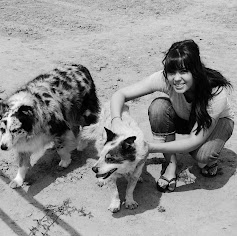
I know that I have a stronger desire to work towards a career as a substance abuse & behavioral disorder counselor because of personal experience.
The only thing I like about Recreational Therapy would be working with those who are affected by their addictions and disorders in a treatment facility setting. I would not so much care for working with those who have lost their physical abilities. I’m interested in mental health care.
Mental health counseling would still be involved in substance abuse/behavioral disorder counseling.
I know that addictions counseling will require a Master’s degree and lots of hard work, but the work means so much to me that I am willing to pay the price to get there.
Thursday, August 12, 2010

Career Webquest Research
Mental Health Counselor

NATURE OF WORK
- Counsels with emphasis on prevention
- Work with individuals and groups to promote optimal mental health
- May help individuals deal with:
- Addictions & substance abuse
- Family, parenting & marital problems
- Suicide
- Stress management
- Problems with self-esteem
- Issues related to aging, and mental and emotional health
- May be involved in community outreach, advocacy, and mediation activities.
- Often work closely with psychiatrists, psychologists, clinical social workers, psychiatric nurses, and school counselors
- Private practice
- Community Health Organizations
- Day Treatment Programs
- Hospitals
- Many work in an office where they see clients throughout the day
- May be required to provide service out in the community
- Varies by state and specialty
- Master’s Degree is often required to obtain certification
- Many hours of supervised clinical experience
- Complete 100 Continuing Education hours OR retake board exam every 5 years
- Strong desire to help others
- Ability to inspire respect, trust and confidence
- Ability to work independently or in a team
- Must follow a code of ethics associated with their certifications and licenses.
- Must possess highly physical and emotional energy
- Prospects for advancement vary by counseling field
- Some counselors move into private practices, research, teaching, or consulting
- Pursuing a Doctoral Degree will further enhance opportunities for advancement.
United States: 113,300 (2008)
Utah: 560 (2006)
EMPLOYMENT OUTLOOK
United States: 140,500 (2018)
Utah: 880 (2016)
TYPICAL EARNINGS
United States: $17.70 or $36,800
Utah: $22.04 or $45,800
RELATED OCCUPATIONS
- Child, Family & School Social Worker
- Social and Human Service Assistant
- Occupational Therapist
- Physical Therapist
- Recreational Therapist
- Residential Advisor
SKILLS: active listening, social perceptiveness, critical thinking, service orientation, active learning, learning strategies, speaking, reading comprehension, time management, monitoring
INTERESTS: Working with, communicating and teaching others. Enjoys helping others. Working with ideas, extensive amount of thinking, searching for facts, figuring out problems mentally. Working with forms, designs, and patterns. Self-expression, work can be done with out following set of rules.
WORK STYLES: Self control, concern for others, dependability, stress tolerance, social orientation, adaptability/flexibility, integrity, cooperation, attention to detail, achievement/effort.
VALUES: Relationships, achievement, independence
MBTI TYPE: Social Investigative Artistic
Career Webquest Research
Recreational Therapist

NATURE OF WORK
Provide treatment services and recreation activities for individuals with disabilities and illnesses
Uses variety of techniques to maintain the physical, mental and emotional health of clients such as: arts & crafts, animals, sports, games, dance & movement, drama, music, community outings.
Help clients reduce depression, anxiety and stress.
As they work, therapists observe and document a patient's participation, reactions, and progress
WORK ENVIRONMENT
- Provide services in special activity rooms.
- Plans activities in office settings.
- Generally work 40-hour weeks.
- Travel in community to clients or while assisting with community activities.
- May work in: Substance abuse rehabilitation centers, assisted-living centers, adult day care, special
- education programs, hospitals, inpatient treatment centers.
- Bachelor’s Degree in Therapeutic Recreation OR in Recreation with emphasis in Therapeutic Recreation
- Internship in field of work (480 hours)
- Utah requires state license
- Certification is voluntary, but preferred by employers
- Must be comfortable working with ill and disabled.
- Must be patient, tactful, and persuasive.
- Ingenuity, sense of humor and imagination are needed to adapt activities to individual needs.
- Good physical coordination needed to demonstrate or participate in activities.
POTENTIAL FOR ADVANCEMENT
- May advance to supervisory or administrative positions
- May teach
- May conduct research
- May consult for health and social services agencies
United States: 23,300 (2008)
Utah: 260 (2006)
EMPLOYMENT OUTLOOK
United States: 26,700 (2018)
Utah: 300 (2016)
TYPICAL EARNINGS
United States: $18.45 or $38,400
Utah: $16.49 or $34,300
RELATED OCCUPATIONS
- Child, Family & School Social Workers
- Physical Therapists
- Occupational Therapists
- Counselors
- Speech-Language Pathologists
- Teachers- Special Education
INTERESTS: working with, communicating, and teaching people. Helping and providing service to others.
WORK STYLES: Concern for others, self control, dependability, integrity, social orientation, adaptability/flexibility, cooperation, stress tolerance, initiative, independence.
VALUES: Relationships, achievement, and independence.
MBTI TYPE: Social Artistic
Career Webquest Research
Substance Abuse & Behavioral Disorder Counselor

NATURE OF WORK
Help people who have problems with alcohol, drugs, gambling and eating disorders.- Counsel individuals and help them to identify behavioral issues and other problems related to their addictions.
- Works on one-to-one and group settings.
- Work includes: crisis counseling, daily or weekly counseling, or drop-in counseling support.
- Develops personalized recovery programs that help establish healthy behavior and coping strategies.
- Often works with family members who are also affected by the addictions.
- May conduct programs and community outreach to aid in addiction prevention.
- Private practice
- Community Health Organizations
- Day Treatment Programs
- Hospitals
- Varies by state and specialty
- Most often a Master’s degree is required to become a licensed counselor
- 48-60 semester hours of graduate study, including supervised clinical experience
- Often must participate in graduate studies, workshops and personal studies to maintain licensure.
- Passing of state recognized exam
- Annual continuing education credits
- Strong desire to help others
- Ability to inspire respect, trust and confidence
- Ability to work independently or in a team
- Must follow a code of ethics associated with their certifications and licenses.
- Must possess highly physical and emotional energy
- May become supervisors or administrators in their agencies.
- May move into research, consulting, or college teaching or go into private or group practice.
- May choose to pursue a doctoral degree to improve their chances for advancement.
2008
United States: 86,100
Utah: 330
EMPLOYMENT OUTLOOK
United States: 104,200 (2018)
Utah: 500 (2016)
TYPICAL EARNINGS
United States Average: $17.80 or $37,000
Utah Average: $20.39 or $42,400
RELATED OCCUPATIONS
- Recreational Therapist
- Occupational Therapists
- Psychologists
- Social and Human Service Assistants
- Residential Advisors
- Social Workers
- Teachers
- Teachers-Special Education
Interests: Social, Artistic, Investigative
Work Style: Integrity, concern for others, dependability, stress tolerance, self control, cooperation, adaptability/flexibility, initiative, persistence, social orientation.
Values: Relationships, achievement, independence.
MBTI TYPE: Social Artistic Investigative
Tempting 10 Careers
HEALTHCARE
1. Substance Abuse & Behavioral Disorder Counselor
2. Recreational Therapist
3. Mental Health Counselor
4. Marriage & Family Counselor
5. Social Worker
6. Psychologist
7. Occupational Therapist
8. Correctional Treatment Specialist
9. Psychiatric Aide
ART
1. Art Therapist
2. Recreational Therapist
3. Craft Artist
4. Illustrator
5. Photojournalist
6. Children's Book Author
7. Jeweler
8. Landscape Architect
9. Nature Photographer
10. Desktop Publisher
Wednesday, August 4, 2010
SMART Goals
S-specific
M-measurable
A-attainable
R-reinforcing
T-time centered
SMART SHORT-TERM GOAL 1:
M-measurable
A-attainable
R-reinforcing
T-time centered
SMART SHORT-TERM GOAL 1:
- Pass Math 1010 course Fall semester 2010.
- Obtain C grade or higher. (I would shoot higher were it not for the "attainable" part. I am horrible at math. So a C is a great goal for me.)
- Class is on Tuesday & Thursday, so I will devote non-class days to strict studying (MWFS). Saturday morning will be study time. Sunday will be math-free.
- I will seek the support of my spouse. Have him babysit while I study.
- I will go on a fun mini-vacation if I pass this course (Oregon Coast).
- Find distance education or local program in Substance Abuse Counseling.
- Pick one distance education program and one college that offers this degree.
- Find tuition costs, start dates, time required, and reputation.
- Settle on of the two choices.
- Decide when to start courses. Will I take a break?
- Pass Math 1030 course Spring semester 2011.
- Obtain C grade or higher.
- Devote non-class days to strict studying. Each day of week. Sunday is math-free.
- Arrange for babysitting each night while I work on homework uninterrupted.
- Reward: Associates Degree!
- Receive Substance Abuse counseling degree or certificate by age 28 (5 years).
- I have given myself 5 years to complete this goal. This means I can take a year off if I want a break, or if other contingencies pop up.
- Above short-term goals must be met first.
- Work part-time for local substance abuse treatment center by age 28.
- I would like to work no more than 2 days a week in the beginning, if possible.
- Goal is to slowly ease my way back into the career world after being a stay-at-home mom.
- Volunteer at addictions treatment center or hospital using pet therapy by age 30.
- Visit treatment center or hospitals once a month with a trained therapy pet.
- Establish a reputation for my volunteer service with pet therapy by word-of-mouth, business cards, simple marketing, etc.
- Establish a network of at least 5 clients with reoccurring need for these services.
- This is beginning step towards a more long-term goal of turning this into a family business and working on my own.
Updated Career Action Plan
PLAN FOR SUMMER 2010
- Receive A’s in Interpersonal Communication, Career & Major Exploration, and Geology courses.
- Actively seek others who are in my major, or reconnect with those in my network.
- Network: Dee Ann, Kim, Cheryl, Tara
- Enjoy motherhood and get out in the sun with my baby!
PLAN FOR FALL 2010
- Devote needed time to studying/receiving tutoring needed to pass Math 1010 course.
- Discuss with family my plans for further education. Are we staying in Utah? At UVU? Am I continuing education or taking a break?
- Pros: Keeping momentum and staying fresh. Getting degree sooner.
- Cons: Missing time with my son. Being tied down to school. Stressful juggling family and school.
- If moving, will I wait until I reach residency requirements for in-state tuition?
- Will I obtain education online or on campus?
- Action: Research online programs in Substance Abuse counseling.
- Research programs at university. Research programs online.
- Weigh options (time, travel, cost, credibility, etc)
- Is my choice of major still something I desire to work towards?
- Read books during leisure time that are career-related.
- Apply knowledge in family life and keep information fresh.
- Take Math 1030 and pass.
- Take another online course of interest.
- Receive Associates Degree.
PLAN FOR AFTER ASSOCIATES DEGREE IS OBTAINED (2011 - Beyond)
- Seek out schools with reputable degree programs in my field of interest.
- Get to know what is required to gain entrance into chosen schools.
- Is online school an option while I stay at home with the baby?
- Become familiar with companies near me where I would like to work/volunteer.
- Find community resources that will help me grow a larger network.
- Attend and participate in local group therapy meetings (AL-ANON, ED-ANON, etc.)
- Edit this Personal Action Plan to layout further goals.
Subscribe to:
Posts (Atom)